 Pet Friendly Sober Living · Los Angeles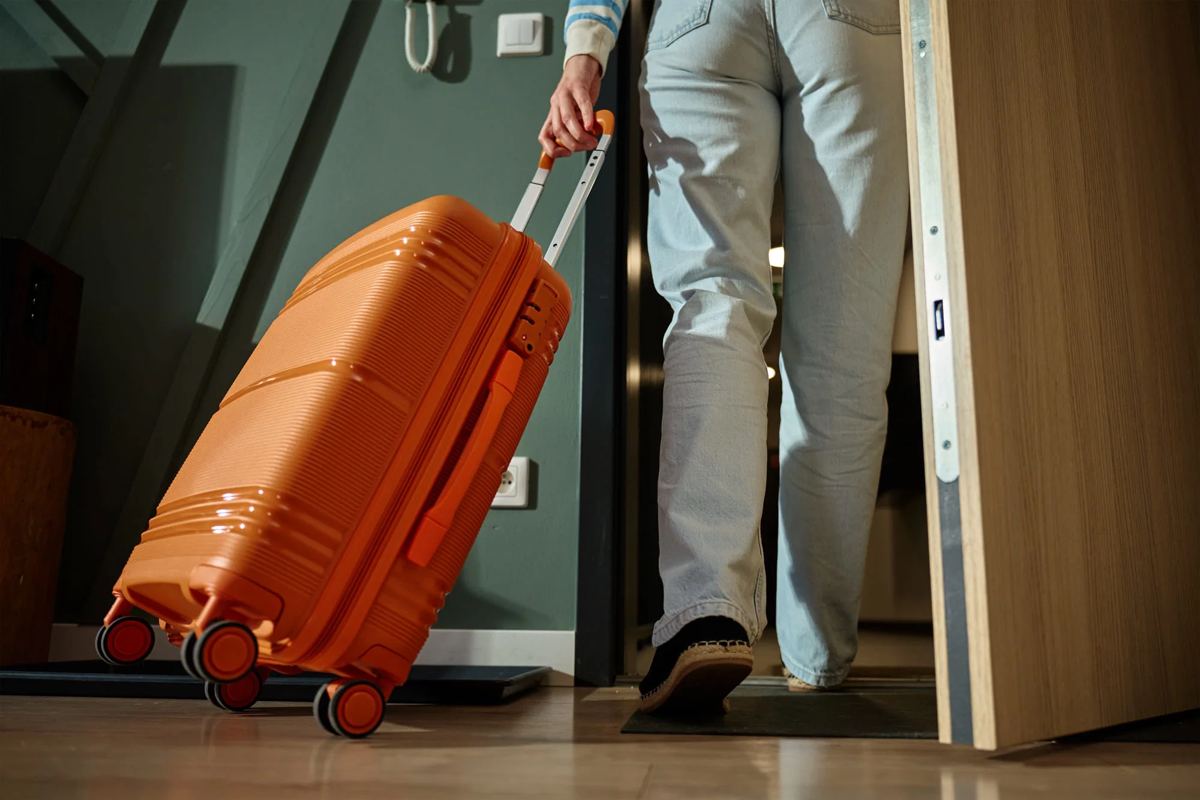
Sober living homes give people leaving formal treatment a substance-free place to rebuild daily life with structure and peer support around them. This guide walks through what these homes actually are, what a typical day looks like, what they cost in 2026, and how to pick one that fits.
What you'll learn:
- What a sober living home is and how it differs from a halfway house or Oxford House
- What daily life and house rules actually look like
- Why the research says it works
- What it costs in 2026, including funding sources most people don't know about
- How to evaluate and find a home that fits
What Is a Sober Living Home?
A sober living home, sometimes called a recovery residence or transitional living arrangement, is a substance-free house where people in recovery live together with shared rules, shared chores, and mutual accountability. It sits between the structure of formal treatment and the full independence of living on your own. Most homes are not clinically licensed, but many carry certification through the National Alliance for Recovery Residences (NARR), which sets baseline standards for safety and operations.
Sober Living vs. Halfway House vs. Oxford House
| Type | Typical Length of Stay | Prior Treatment Required | Governance |
|---|---|---|---|
| Sober Living Home | Flexible, often 3 months or longer | Common but not always required | Usually staff-supported, sometimes NARR-certified |
| Halfway House | Fixed term, often 30–180 days | Usually required | Staff-run, often tied to a treatment provider or the justice system |
| Oxford House | Unlimited, self-governed | Not required | Residents run the house themselves; no paid staff |
Moving In: What Intake Actually Looks Like
Most homes run intake the same basic way, even though the paperwork differs. A phone screening comes first, usually the same day someone calls, covering sobriety date, any current medications, and whether a bed is actually open. That's followed by a short intake interview, sometimes in person and sometimes over video, where a house manager walks through the rules directly rather than just handing over a packet.
Move-in itself is usually fast once a bed is confirmed, often within 24 to 48 hours, and most homes ask new residents to bring basic bedding, toiletries, and any current prescriptions in their original bottles, since undocumented medication is one of the more common reasons a move-in gets delayed.
The first week tends to be the most structured stretch of the entire stay: a house meeting to meet everyone, a walkthrough of chores and curfew, and in most homes an initial drug test to set the baseline.
Someone searching for sober living homes accepting new residents or sober living move-in today is usually past the research phase and just needs to know how fast this can actually happen, and the honest answer is: faster than most people expect, as long as a bed is open and paperwork is in order before the call ends.
What a Day Actually Looks Like
- Staying substance-free. Zero tolerance, with random testing at most homes. This is the one rule that isn't negotiable anywhere.
- A curfew and house rules. How strict varies a lot by home, and usually loosens as a resident's time there goes on.
- House meetings. A regular sit-down to handle shared responsibilities, conflicts, and accountability.
- Chores. Cooking, cleaning, and upkeep are split among residents, partly for the house and partly because rebuilding basic responsibility is part of the point.
- Work or school. Most homes expect residents to be employed or enrolled somewhere within a set window after moving in.
- Outside support. 12-step meetings, SMART Recovery, or outpatient therapy, depending on the home and the resident's own program.
Why It Works, According to the Research
A long-running study out of Oxford House tracked residents and found that roughly three-quarters were actively involved in AA, with an average stay of about six months and most leaving on good terms. Separately, a peer-reviewed study following 300 residents across multiple sober living homes over 18 months found real, sustained gains in substance use outcomes, employment, and arrest rates, gains that held up rather than fading after the initial months. The throughline in both: it's the combination of structure and peer accountability that does the work, not just having a sober roof.
What Sober Living Costs in 2026
Most homes run $800 to $2,000 a month, close to renting a modest apartment, with the range driven by location, whether the room is private or shared, and whether staff supervision is included. Two funding paths worth knowing about that a lot of families miss:
- County and drug court placements. County behavioral health departments and drug courts often pay $35 to $55 a day per resident for placements, which can make a bed effectively free for someone referred through the justice system.
- 1115 waivers. As of 2026, at least eight states, including California, New York, and New Jersey, have waivers that cover housing-related services tied to recovery. Worth checking regardless of what state a family is searching from, since coverage details vary a lot by state.
How to Choose a Sober Living Home
- Certification. Is it NARR-certified, and if not, why not?
- Location. Close enough to outpatient care, meetings, and work that attendance is realistic, not aspirational.
- Fit on rules. A curfew and testing schedule someone can actually commit to, not one that sets them up to fail on day three.
- Who else lives there. Age range, gender mix, and where other residents are in their own recovery.
- Staffing. Is there a house manager on-site, and is there a real connection back to a treatment program if something goes wrong?
- Cost and flexibility. What happens if a resident loses their job partway through their stay?
- A real plan for leaving. How does the home help someone step down toward full independence, rather than just aging out?
How to Find One
- Ask the discharge planner. Most residential and inpatient programs already have relationships with specific homes.
- Ask around at meetings. People in recovery tend to know, firsthand, which homes are actually well-run.
- Check the NARR directory. Searchable by state, filtered to certified homes only.
- Ask a provider. Therapists and doctors who work in addiction care often have a short list they trust.
- Read reviews across more than one source. Google, Yelp, and recovery-community Facebook groups each catch different things; look for a pattern, not one outlier review.
- Check your state's own database. Most state health or behavioral health departments keep a list, and some include recovery residences specifically.
Have questions about whether a home is the right fit? We're happy to talk it through.
Call (310) 269-0878