 Pet Friendly Sober Living · Los Angeles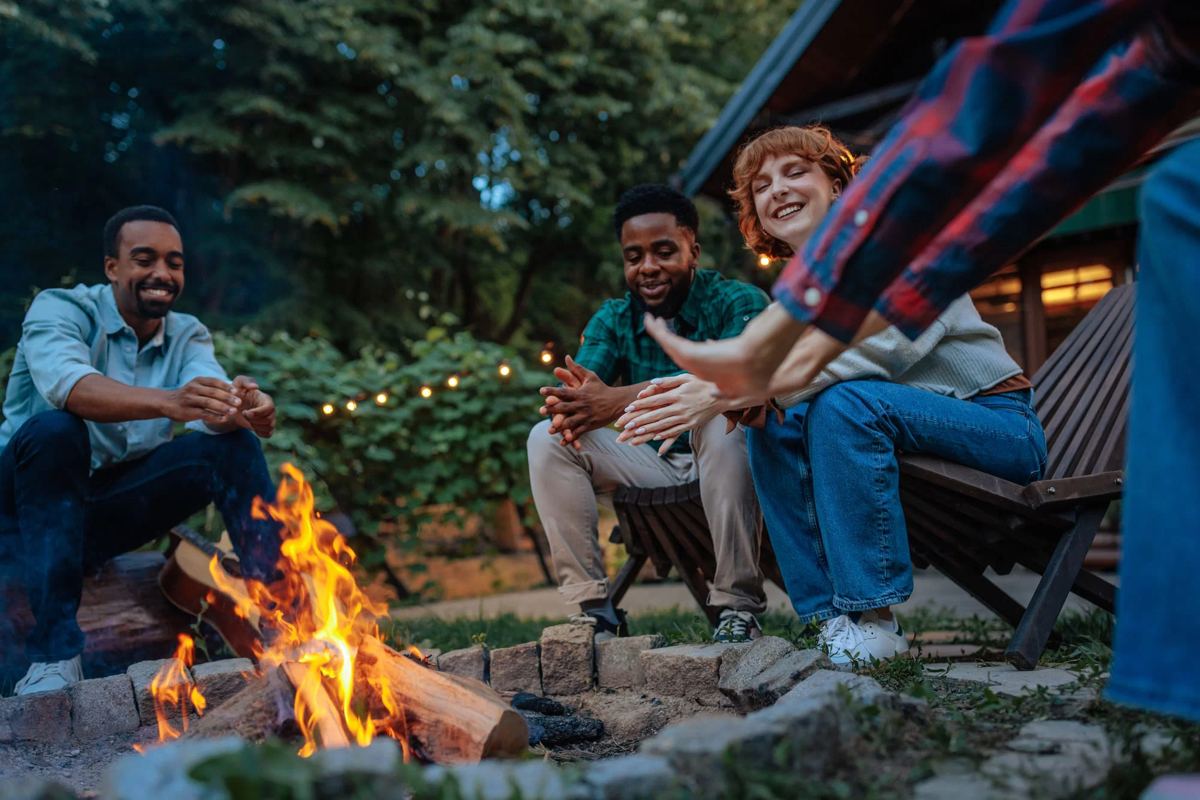
I've spent enough time in and around the world of recovery to have watched the same story play out over and over. An individual or family tours three homes on a Saturday. Two of them are fantastic. One is modest. The family picks one of the shinier options because the pictures matched the pricing, and eight weeks later they are back out getting loaded again. Meanwhile the modest home down the street is quietly celebrating one of its residents hitting a year clean.
A gap between how these homes look and how they actually work is real and is arguably the single most important thing I want people researching sober living to understand. That doesn't mean you can't find a happy medium, an amazing sober house that is also really aesthetic and comfy. But there should exist, in all versions of great sober living residences, some similar green flags I want to cover today, along with red flags to watch out for.
The people running it matter more than the building
The first and arguably the biggest factor.

A sober living home director and a resident talking outside.
Every good sober living I've seen has one person, sometimes two, whose personal investment in the residents' recovery is not performative. They're not there because they got a management gig. They're there because they've lived it themselves, or someone they love has, and they treat every resident's recovery as something they have a personal stake in.
You can spot this person during a tour. They know their residents' names, their sponsors, their step counts, what's going on with their families. They talk about individuals, not "clients." When you ask about someone who left the house, they can tell you what happened and how they feel about it.
The homes that don't work usually have absentee ownership. A property manager who visits once a week. A house manager who's mentally checked out day after day and largely just there to enforce the drug tests and make sure no one burns the home down, while no one's actually paying attention to the person underneath the bed sign.
This is not something you can always easily find online either. You are far better off visiting and taking a house tour and asking a short list of questions.
Principles beat amenities every time
"Last time I checked, a pool doesn't keep anyone sober." — Anonymous
I've watched people relapse in luxury sober livings with pools and gyms and beach access. I've watched people build ten years of sobriety in a plain three-bedroom with a folding table in the kitchen.
What matters is the structure of what happens week to week. Real recovery programming looks like:
- At least one required weekly house meeting where residents actually engage with each other, not just clock in. Some of the better recovery homes will do "concerns," where peers in the home bring up concerns, if any, that they've noticed in their housemates.
- A sponsor requirement enforced within the first 30 days, along with step work check-ins.
- A daily meeting requirement, at least early on, with someone who checks. Every day, not "three a week."
- Structured group activities, service commitments, and shared responsibilities.
- Consequences that are productive and consistent, not symbolic.
Homes that don't work will list "programming" on their website and then, when you ask specifics, get vague. "We have meetings." When? "In the area, there are lots of them." Do you require residents to attend? "We encourage it." Are there consequences for skipping? "It's really about self-motivation at this stage."
At this stage of what? Someone who's three weeks clean off opiates or crystal meth doesn't have self-motivation. That's the whole reason they're in a sober living. The inconvenient structure is the feature, not a bug.
How they handle relapse tells you everything
Ask this question on every tour: what happens when someone relapses? The answer tells you what kind of home you're actually looking at.
There are three common answers. The first is a strict policy, "immediate expulsion, no exceptions," which sounds tough but usually means the home doesn't want the drama of managing a relapse and would rather push someone out onto the street than deal with the reality that recovery is nonlinear. Even so, this is the lesser of two weak answers, since it at least protects the others in the home and arguably doesn't enable old manipulative behaviors.
The worse of the two is some version of "we work with people," delivered vaguely, which usually means they don't enforce anything and the whole house is compromised because the guy who's been drinking on weekends for three months is still there.
Good homes have a real policy. They can tell you exactly what happens, usually something like: an immediate drug test and honest conversation, followed by an evaluation that either leads to a mandatory return to a higher level of care (detox or IOP) for a defined period, then a structured re-entry with more oversight than before, or expulsion if the person can't show honesty and a genuine commitment to house rules and guidelines.
The culture is half of what you're paying for
The house culture is created by the staff and residents together, with the residents managed by the house staff.
If the house lets anyone in just because they can afford it, the culture will drift toward a profit-motivated living space. If the house has a real intake process, a real interview, and turns down applicants who aren't ready to commit to recovery, the culture stays intact. This is not to be confused with fair housing laws and guidelines, this is strictly about a commitment to recovery and a genuine desire for change.
If someone isn't willing to complete 90 meetings in 90 days, for example, it's likely they're also not interested in completing the 12 steps and house chores, both of which build structure and character.
Ask on your tour: how long is your average resident stay? How many current residents have over 90 days? How many have over six months? A house with a rotating door of people who leave after two weeks is a house where the culture never gets built.
Also ask, while touring the home, if you can talk to any current residents, whoever's there when you arrive. The residents will tell you honestly what the house is like in about 90 seconds if you ask them the right question. My favorite: "What's the thing about this house you'd tell me if the house manager wasn't standing here?"
The location detail almost nobody thinks about
Location conversations in sober living usually stop at "quiet neighborhood, close to meetings." Those matter. But there's a second-order location detail that matters more: is the neighborhood one where sober life can happen?
If the house is in a suburban oasis 45 minutes from the nearest coffee shop, residents will be bored, isolated, and dependent on rides for everything. Isolation is a relapse condition.
If the house is near transit, near jobs, near meetings, near normal social life that a sober person can participate in (a coffee shop, a gym, a park), residents will build a life outside the house from day one. That life is what carries them out of sober living and into long-term recovery.
The best homes I've been in or visited are in walkable neighborhoods with a real community around them. Not a compound in the woods. Not a mansion in an area where you need to Uber everywhere.
The financial model tells you what they're actually optimizing for
Sober living is a business, and businesses have models. The model tells you what the house is optimizing for.
Insurance-billed sober living is optimizing for filling beds with people who have good insurance and moving them through IOP as fast as possible. The residents are inventory. The recovery outcome is secondary to the billing outcome.
Cash-pay sober living at premium rates ($5,000 or more per month) is optimizing for a specific demographic, and often for the family's comfort more than the resident's recovery. The amenities are the product.
Cash-pay sober living at reasonable rates ($1,500 to $3,500 depending on the market), with a clear program run by people who are in recovery themselves, is often the sweet spot. The model matches the mission.
Nonprofit or scholarship-based sober living is a different animal entirely. Salvation Army ARC, Oxford House, and similar models remove the profit motive. Quality varies, but the alignment of interests is different.
None of these models is automatically better. But you should know which one you're dealing with, because it tells you what the house is likely to prioritize when things get hard.
What actually predicts long-term success
If you talk to enough people at five, ten, fifteen years sober, and you ask them what their sober living experience gave them that made the difference, they almost never say the amenities. They say things like:
- The other guys in the house
- The house manager who called them out on their bullshit
- The weekly meeting where they met their new best friends
- The morning routine the house forced on them
- The service commitment they took on and started to care about
- The kitchen where they first learned to cook a real meal
- The friend who's now their sponsor
You'll notice: none of these things require a pool.
What they require is a house that's paying attention. To the people. To the culture. To the structure of the days. To what's actually happening under the surface, not what's happening in the photos.
That's what makes a sober living work. Everything else is decoration.
What to actually ask when you tour, a free printout
Print this out and take it with you.
- Who owns the house? Are they in recovery themselves?
- What happens on a Tuesday? (Not "what do you offer." What actually happens.)
- What's your policy when someone relapses? (Get specifics.)
- What's your intake process?
- How long do most residents stay?
- Can I talk to a current resident without the house manager present?
- What's your relationship with local recovery meetings, sponsors, IOPs?
- What's the average length of time people stay? (Ask a resident this too, if possible.)
- What's the coolest thing you've learned in the last year about running this house? (Their answer tells you if they're actually paying attention.)
If they can answer these questions confidently and specifically, you're probably looking at a real sober living home. If they get vague, defensive, or start pitching amenities instead, it may be best to keep looking.
For more information on sober living, you can check out the standards and guidelines recommended by NARR (National Alliance for Recovery Residences).
For more information on levels of care in recovery, check out this informational section from SAMHSA.
Or to learn more about our homes, see here.