Monthly Cost Breakdown, What You Actually Pay in a Pet Friendly Sober Living Home in Los Angeles
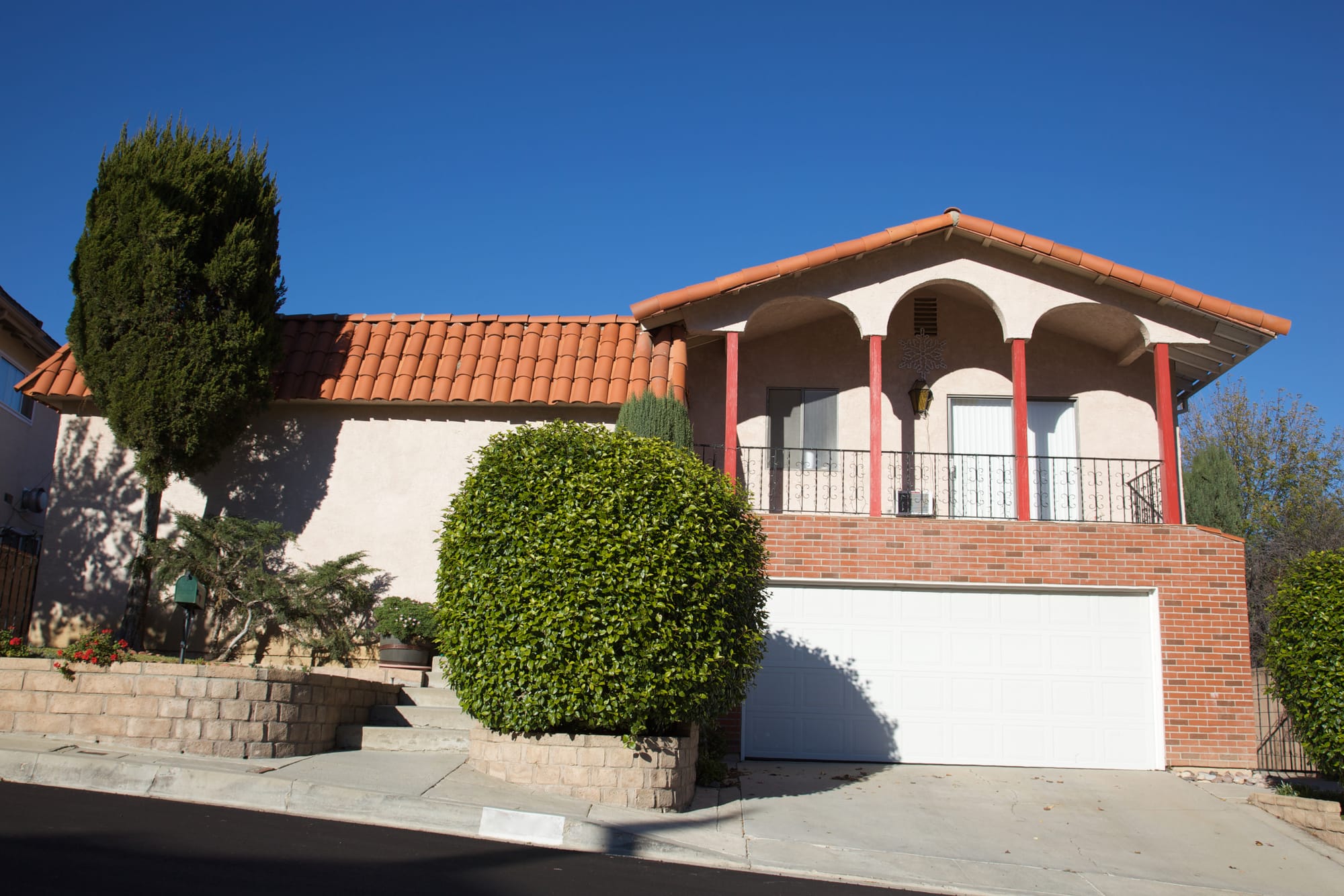
If you are searching for a pet friendly sober living home in Los Angeles, the biggest practical question is usually simple, what will I actually pay each month, and what costs show up after move in. Pricing can look straightforward until you add pet related fees, deposits, utilities, transportation, and the day to day spending that comes with early recovery and settling into a new routine.
This guide breaks down common monthly line items in Los Angeles sober living, with a specific focus on pet friendly homes. Costs vary by neighborhood, house rules, room type, included services, and how many residents share a home. Use the ranges below as planning numbers, then confirm every fee in writing before you commit.
1) Base monthly rent, the core number that drives everything
Base rent is the starting monthly payment for your bed or room. In Los Angeles, the difference between a shared room and a private room can be the difference between a manageable budget and constant stress.
- Shared room bed, often the lowest monthly rent, commonly in the range of $1,500 - $3,000 per month depending on location, amenities, and how many people share. Always ask for a slightly lower price, there are often many people seeking to get in the same LA recovery houses being a popular city.
- Private room, more privacy and often better sleep, commonly $3,500 - $6,000 per month, sometimes higher in premium areas.
- The price should include meals and utilities. This is often where people get gimmicked. They call a sober home in Los Angeles, or whichever city they're looking in, and the house managers say $900 a month but that's for bunk beds and then later it's $300 more a month for groceries and $125 for utilities. You end up paying the same as a nicer home who was transparent with l inclusive price from the start.
2) Room type upgrades, what “private” really costs in practice
Some homes advertise private rooms but include limits that affect comfort, like a small room, limited storage, or a private room that is only available after a step up period. Treat “room type” as a cost category, not just a preference.
- Confirm whether you can lock your room, whether there is dedicated closet space, and whether furniture is included.
- Ask if you can switch rooms later, and whether your rent changes immediately or at the next billing cycle.
- If you work from home, ask about quiet hours and whether any workspace is available.
3) One time move in fees, admissions, application, or onboarding charges
Do not pay these. Those types of fees are red flags. The only thing you should ever pay upfront is a deposit or first months rent and that should ideally be paid in-person. if you can't appear in-person to see inside of home, room and the other guests going about their sober living routines, then always ask to use a protected payment service like PayPal and use goods and services for those deposits. It's not uncommon for someone to pay up to $300 - $1,000 towards the room and the rest in person.
Many sober living homes charge a one time fee at move in. This can be labeled as an application fee, intake fee, administrative fee, or setup fee and that should be considered a first red flag. The purpose of sober living is to help another alcoholic or addict, at the same time we do live in America and business is typically how almost everything operates from healthcare, to entertainment and the arts and as in the majority of cases sober living too is a business. The goal is to find a safe, comfortable home and fair arrangement.
4) Pet deposit, the extra up front payment for having an animal
Pet friendly sober living typically requires a small pet deposit to cover potential property damage and extra cleaning although we often waive if it's a deal breaker or if the pet is very well behaved at interview. This is often separate from your general security deposit.
- Typical range, $150 to $400 per pet, sometimes based on size or breed restrictions.
- Ask if the pet deposit is refundable, and what conditions reduce or eliminate the refund.
- Confirm whether there is a limit on the number of pets, and whether caged pets are treated differently than dogs and cats.
6) Pet rules that affect costs, damage coverage, cleaning, and required supplies
House rules can create additional monthly spending even if they are not called “fees.” Examples include required flea prevention, grooming, or proof of training.
- Required proof of vaccinations may mean a vet visit soon after move in if you are behind.
- Some homes require crate training or baby gates, which can be a one time cost of 30 to 200.
- Expect ongoing spending on waste bags, litter, odor control, and cleaning supplies.
- Ask about where pets can go, whether there is a yard, and whether you need to pay for a dog walker if you work long hours.
7) WiFi and streaming, work and recovery both depend on it
This should always be included and free. Unless it's an outreach home that is giving you a full or partial scholarship, then you should expect free WiFi. If you need to job search, attend online outpatient sessions, or meet with a sponsor virtually, reliable internet matters. Some homes include basic WiFi, others add it as a line item.
- If not included, WiFi split among residents can be 15 to 40 per month.
- Ask whether there are dead zones in bedrooms, and whether you are allowed to add a mesh extender.
- If you rely on streaming for downtime, confirm that bandwidth supports it without conflict.
8) Food and groceries, included meals are rare, shared kitchens still cost money
We are provide to include groceries and meals with your monthly rent price. While most sober living homes provide kitchen access, not full meal service. Your grocery cost becomes your responsibility, and early recovery appetite changes and new routines can increase spending.
12) Laundry, coin machines, off site laundromats, or in house rules
We have washers and dryers in-house for use for free for all residents. Even if the home has a washer and dryer, there may be rules about detergent, times, or in some cases some other sober houses may charg efees. If you use a laundromat, transportation and time become costs too.
13) Transportation, the hidden monthly bill in Los Angeles
Paws in Recovery provides transportation to meetings, appointments and important affairs if arranged beforehand, typically we'd like 24 hours. In some cases that's not possible and we work with our residents to figure it out and get them where they need to be in most cases. In other sober livings, they sometimes charge or make you find your own.
- Public transit pass, roughly 50 to 100 per month depending on programs, plus occasional rideshare.
- Rideshare budget, highly variable, but many residents end up spending 80 to 300 per month if they do not plan routes.
- If you have a car, budget for gas, insurance, maintenance, and parking, commonly 250 to 700 per month total.
- Ask whether the home has off street parking, permit requirements, or towing risks.
14) Pet care beyond house fees, vet visits, grooming, daycare, and emergencies
Being pet friendly does not remove the normal costs of responsible pet ownership. In early recovery, it is smart to plan for pet expenses so you are not surprised by a vet bill.
- Routine veterinary care, averaged monthly, often 20 to 80, but can spike during annual exams and vaccines.
- Flea and tick prevention, often 10 to 35 per month.
- Grooming for certain breeds, typically 40 to 120 per session, which can average 20 to 60 per month depending on frequency.
- Dog walking or daycare, if needed for work schedules, can add 100 to 600 per month.
- Emergency fund for pet care is wise, even 10 to 30 per month set aside helps.
What “all inclusive” usually includes, and what it often excludes
In Los Angeles, many sober living listings say “all inclusive” but the definition varies. Understanding this phrase can save you hundreds per month.
- Often included, furnished room, utilities, WiFi, basic shared supplies, and house accountability structure.
- Often excluded, transportation, personal hygiene items, groceries, outside program costs, and pet supplies.
- Sometimes excluded, drug testing fees, parking, and monthly pet fees, even if the home is labeled pet friendly.
When you understand each line item, you can compare homes based on total monthly reality, not just the advertised rent. A pet friendly sober living home in Los Angeles can be a stable foundation for early recovery, especially when you plan for the true cost and protect your budget from surprises.
This article is meant as a guide, to help people better understand if pricing they receive from sober livings in Los Angeles is at least in the ball park or near par to what the industry norms are in Los Angeles in 2026. This article is not an offer or guarantee, nor is it medical advice. Prices may also vary greatly city to city, neighborhood to neighborhood. If you have any questions about what you're paying and if it's good, normal or bad, give us a ring and we're happy to try to help you figure it out! (310) 269-0878
Also check out our sober living price guide here!